Extending the life of EV batteries
Mapleview Energy partners with automotive OEMs, industrial battery electric vehicle manufacturers, fleet owners and operators, and auto recyclers to capture the value of overstocked, underused, and end-of-life batteries through second-life energy storage.
Valuable capacity, underutilized
Across the electric vehicle ecosystem, large amounts of battery capacity sit outside active use. This includes both surplus inventory that was never deployed and batteries retired from vehicles that no longer meet automotive performance requirements.
While retired EV batteries typically retain 70 to 80% of their original capacity, and surplus batteries often retain near-original performance, both remain well suited for stationary energy storage applications.
Rather than immediately recycling these batteries, second-life deployments capture years of additional value while reducing the environmental impact of manufacturing new batteries.
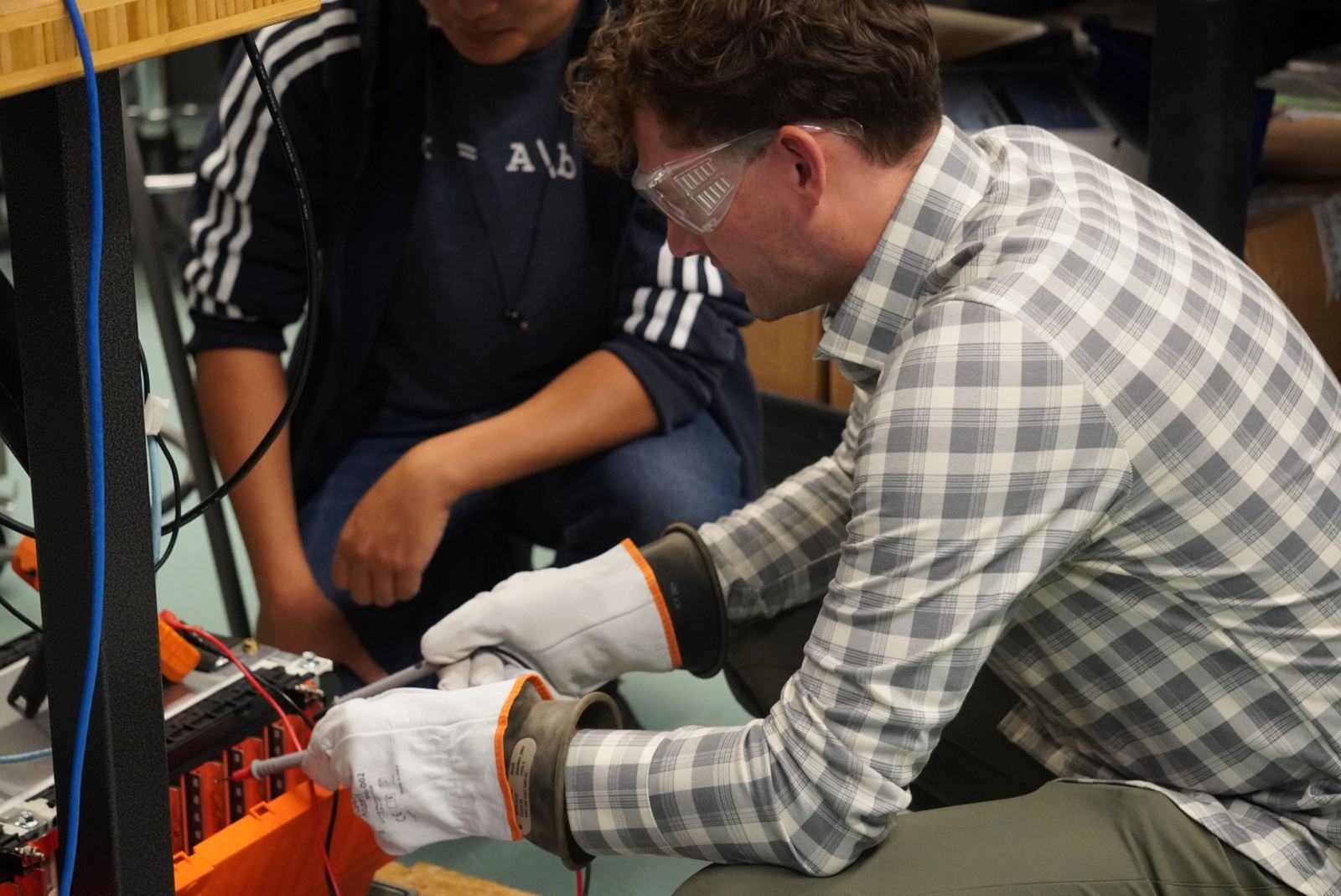
Responsible handling of retired EV batteries
Standard operating procedures designed to ensure safe, traceable, and repeatable second-life deployment.
Who we work with
Automotive OEMs
Working with vehicle manufacturers to provide a structured pathway for managing retired, surplus, and non-deployed battery packs through safe second-life repurposing.
Industrial OEMs
Supporting manufacturers of electric mining, construction, and material handling equipment by recovering and repurposing overstocked, underused, and end-of-life battery assets.
Fleet Operators
Helping commercial, municipal, and transit fleets manage batteries at end of vehicle life, extending asset value through second-life energy storage solutions.
Auto Recyclers
Collaborating with recyclers to divert suitable batteries into second-life applications before materials recovery, improving economics and reducing waste.
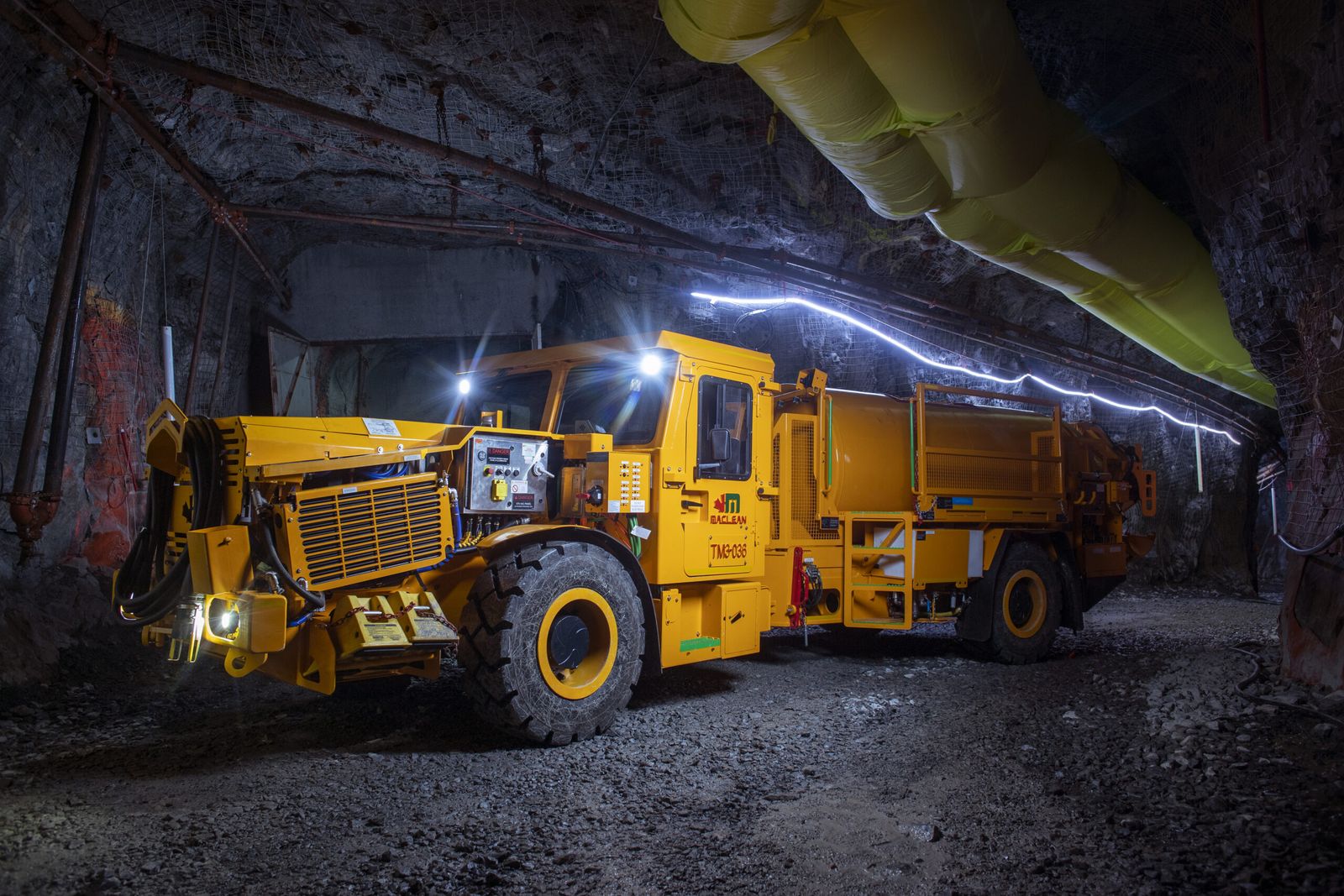
MacLean Engineering
Mapleview Energy partnered with MacLean Engineering, a manufacturer of battery-electric vehicles for underground mining, to repurpose overstocked and used battery assets.
The project highlights a scalable model for OEMs and fleet operators to extend battery life through second-life energy storage.
From intake to recycling
What happens to a battery from the day it arrives to the end of its second life.
-
01
Intake
Retired and surplus EV modules and packs from fleets, OEMs and battery owners. We start from the make, chemistry and any history the owner can provide.
-
02
Test and grade
Each module is tested for capacity, resistance and condition, then graded for second-life use.
Doesn't qualify Goes straight to recycling.
-
03
Build and install
Matched modules are assembled with a battery management system and protection, then installed and commissioned on site.
-
04
Operate
State of health and performance are monitored for the life of the system, with maintenance under a long-term service agreement. AI-assisted tools are in development.
-
05
End of second life
Modules are assessed again when they reach the end of their useful life, then sent for recycling.